- Relief
- Recovery
- Development
- [email protected]
- +252 61 656 5703
- Wajid District, Bakool Region, ARD Compound, Wajid Town, Somalia
African Relief and Development
Protecting vulnerable individuals and promoting the rights and dignity of every person across Somalia and Kenya.
We work to prevent harm, promote gender equality, and ensure that no one is left behind because of who they are or what they have endured.
Crisis does not affect everyone equally. Women, children, people with disabilities, and displaced individuals often face heightened risks of violence, exploitation, and exclusion — risks that can persist long after the immediate emergency has passed. ARD works to protect vulnerable individuals and promote social inclusion, gender equality, and the rights and dignity of all people, ensuring that protection is never an afterthought in our response.
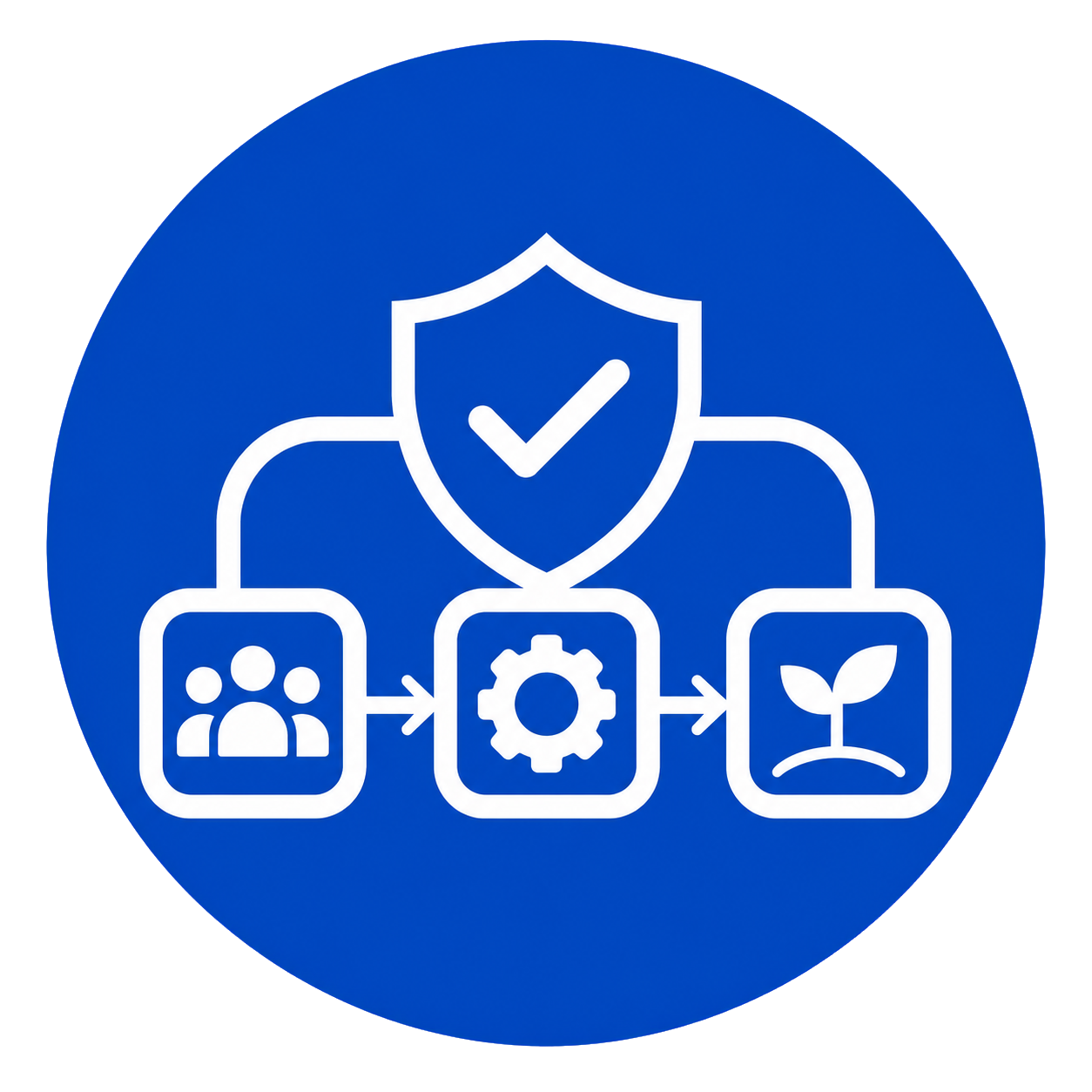
Protection is not a single service delivered on its own. It is woven into how we design, deliver, and monitor every programme we run, from the way a distribution is organized to the way a case of harm is identified and referred. We work to prevent risks before they occur, and to respond swiftly and safely when they do.
Inclusion means more than access — it means ensuring that people with disabilities, minority groups, and the most marginalized are not just present, but genuinely heard and served. Every community we work with is stronger when every member of it, without exception, is able to live with safety and dignity.
Identifying and reducing harm before it happens.
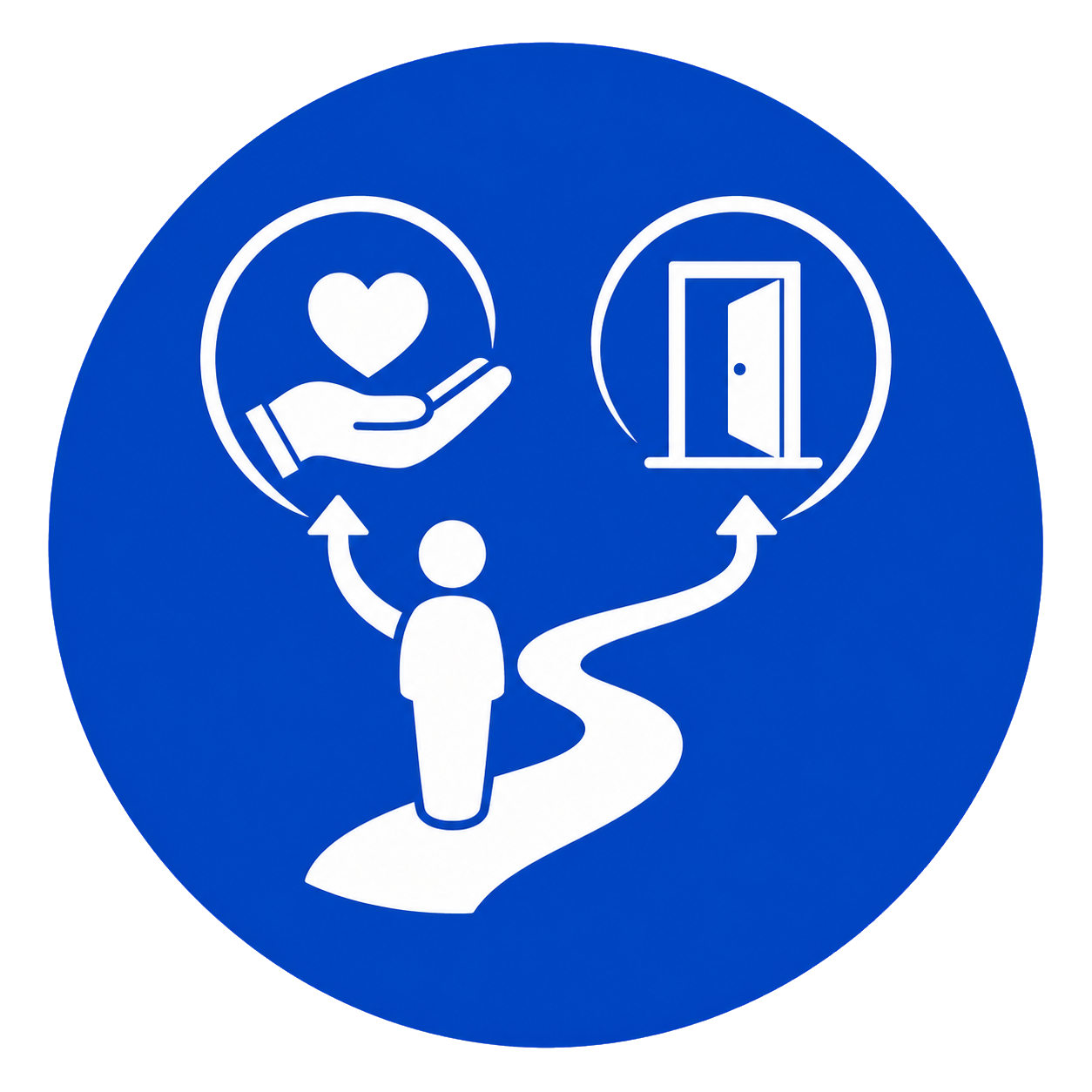
Connecting survivors to specialized support services.
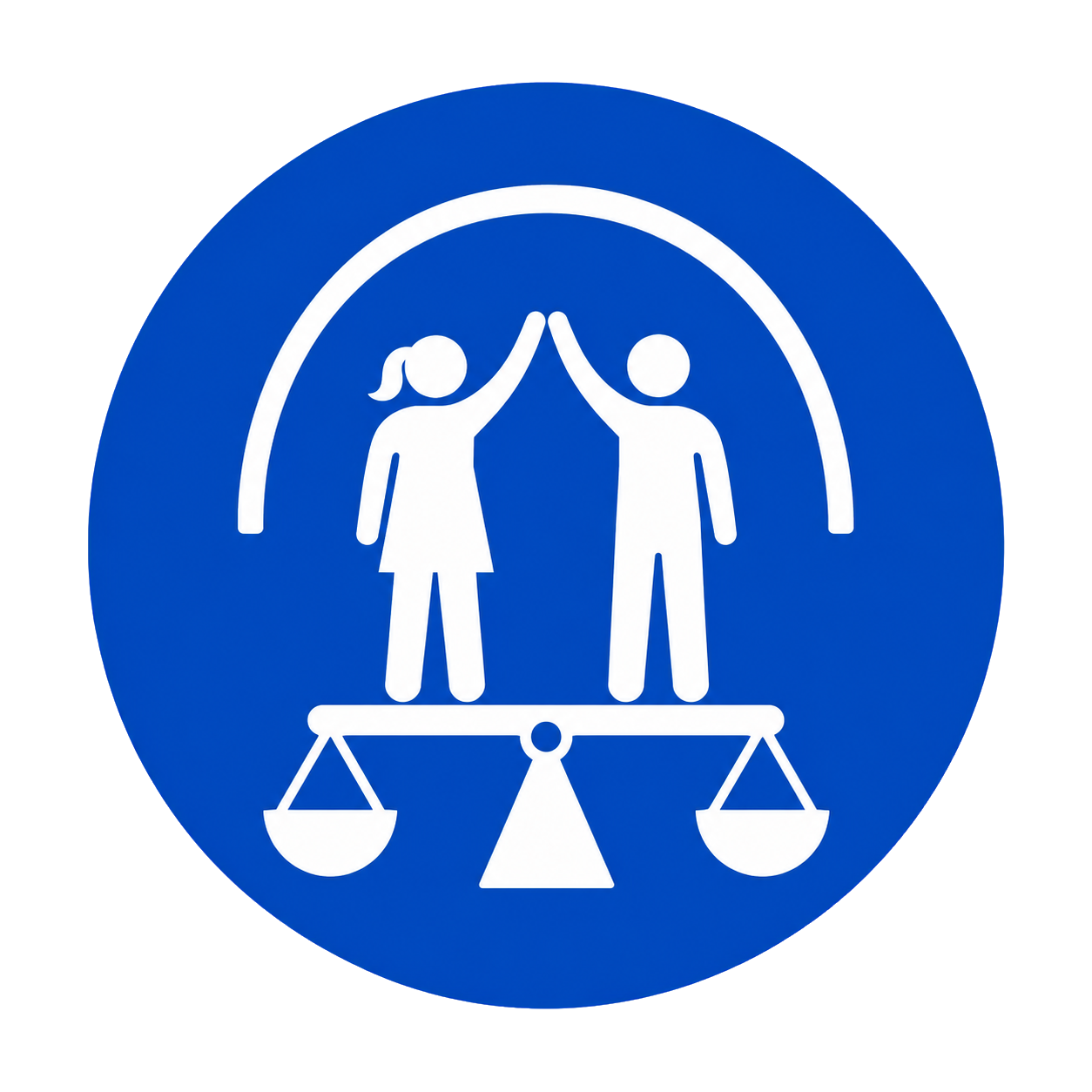
Addressing the specific risks women and girls face.
Ensuring accessible, equitable participation for all.
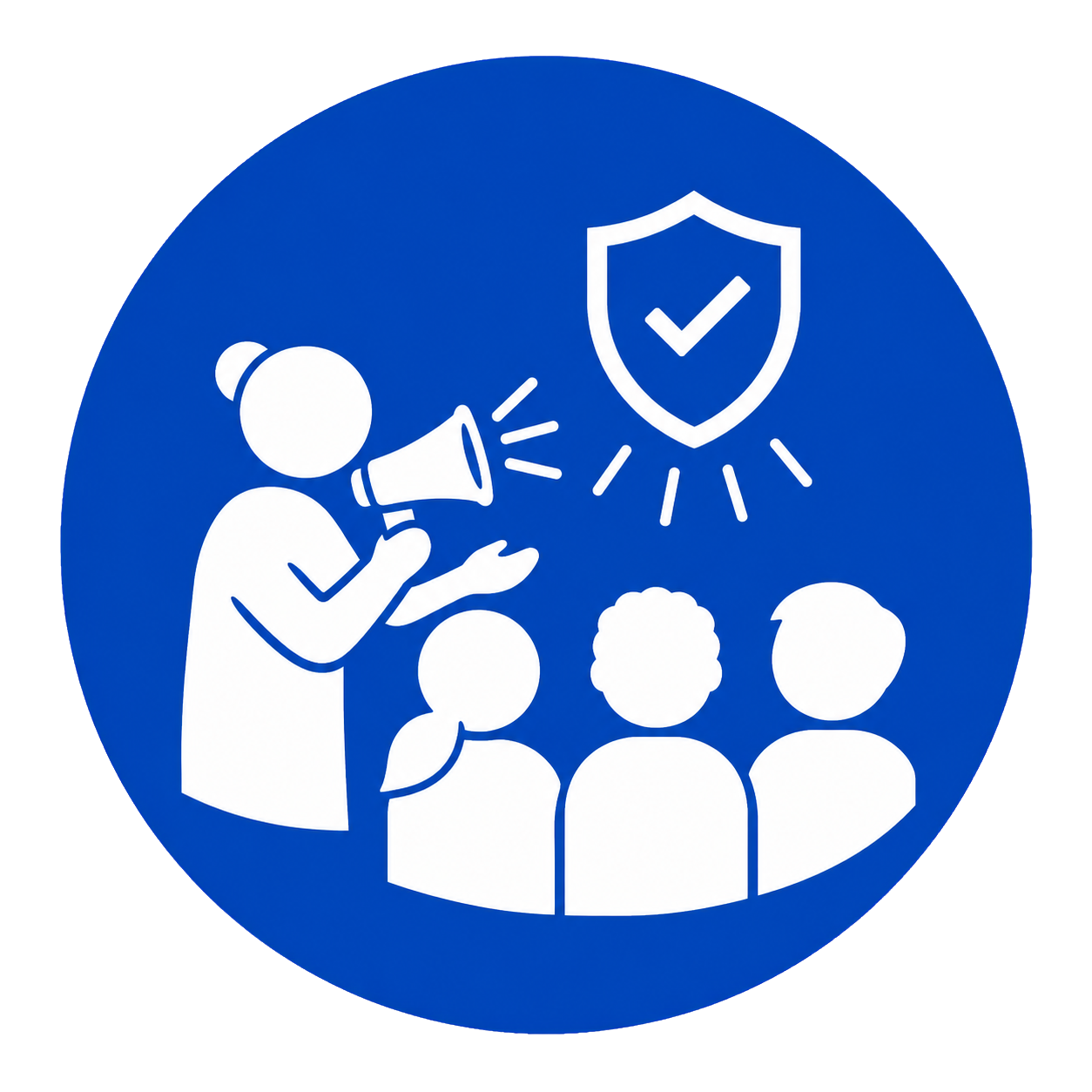
Building local understanding of rights and protection.
Embedding protection into every programme we deliver.
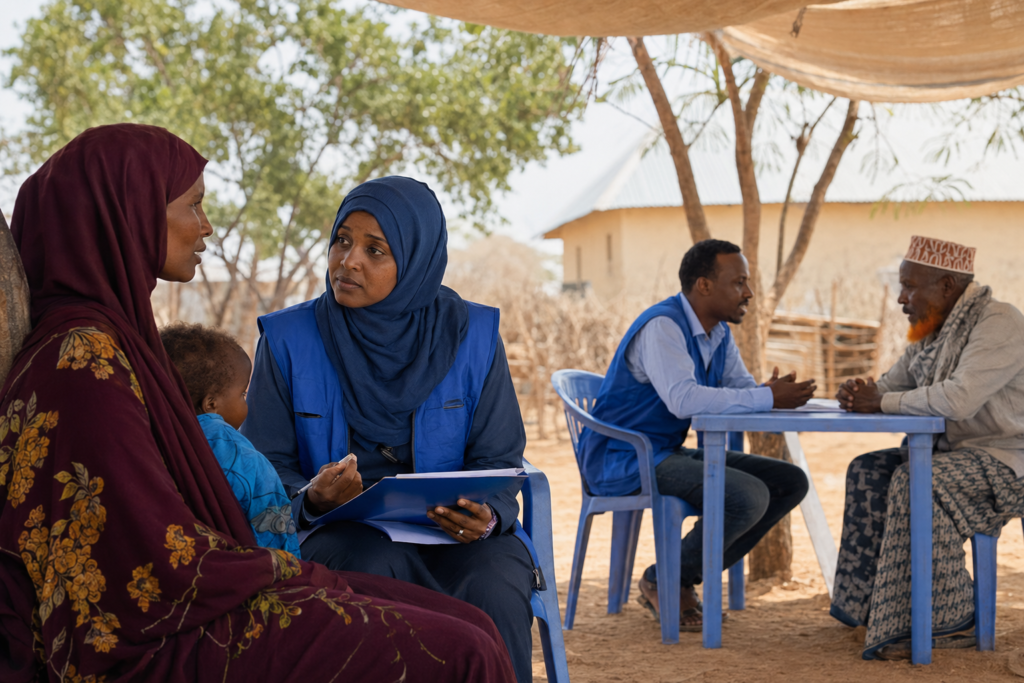
Crises create conditions where exploitation and violence can go unnoticed. We monitor protection risks within the communities we serve, identify cases requiring urgent support, and refer individuals to specialized services when needed. Our teams are trained to recognize warning signs early and respond with the sensitivity and confidentiality each situation demands.
Women and girls often bear a disproportionate share of crisis-related risk, yet are frequently excluded from decisions that affect their lives. We work to address the specific barriers and dangers women and girls face, promoting their participation, safety, and voice within their communities and within our own programme design.
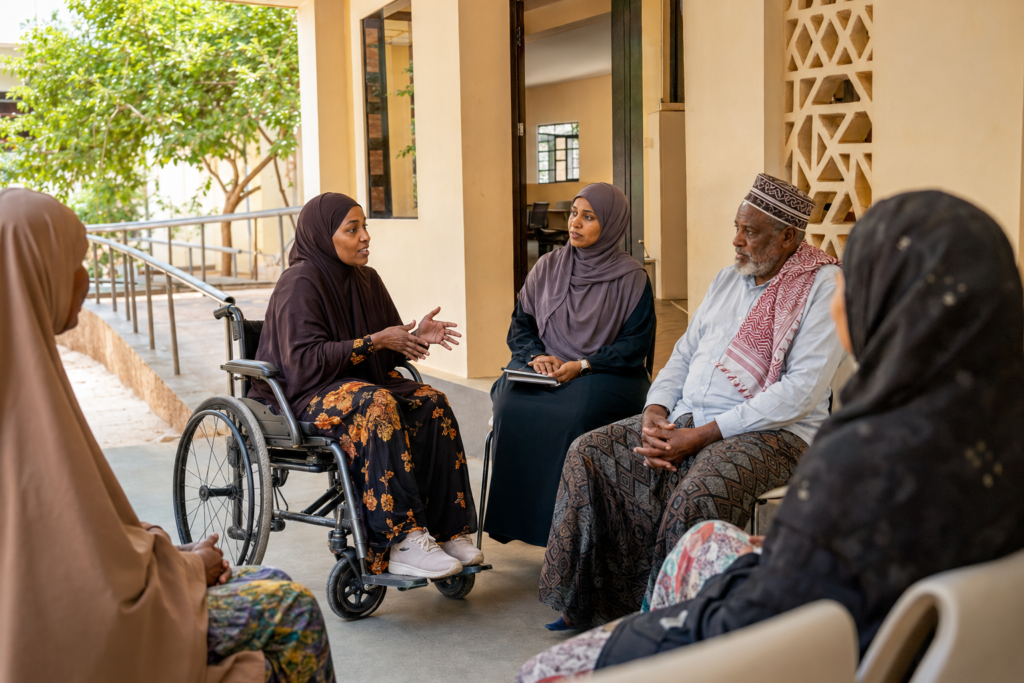
People with disabilities and marginalized groups are too often overlooked in humanitarian response. We work to ensure that our programmes, from water points to classrooms, are genuinely accessible, and that no individual is excluded from support because of disability, ethnicity, or social status. Inclusion is treated as a design standard, not an added feature.